

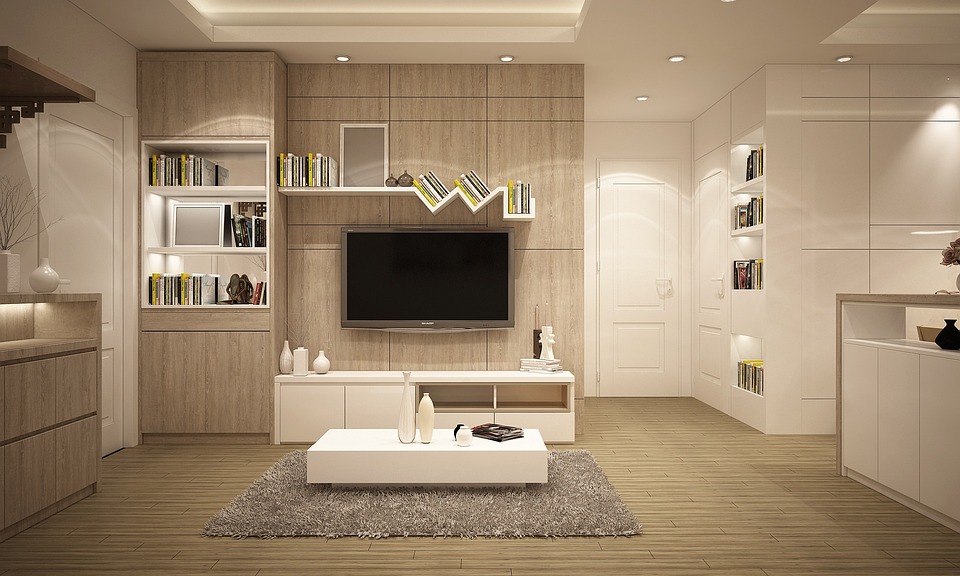
Introduction: The Great Divide in Modern Accommodation
When planning any journey, the choice of accommodation stands as one of the most critical decisions, profoundly shaping the traveler’s experience, dictating their interaction with the destination, and fundamentally defining the atmosphere of their entire trip. Today’s traveler faces a significant dichotomy in hospitality: the choice between the familiar, reliable consistency of a massive Hotel Chain and the unique, intimate, and often locally-inspired character of a Boutique Hotel. This decision is far more complex than simply comparing star ratings or nightly prices; it is a choice between two entirely distinct travel philosophies—one prioritizing seamless, predictable efficiency, and the other championing authentic, personalized storytelling and design. Understanding the core operational and philosophical differences between these two models is essential for aligning your lodging with your specific travel goals and personal preferences.
The large chain hotel, backed by global branding and standardized procedures, offers an unmatched promise of uniform quality, ensuring that a room booked in London will be functionally identical to one in Singapore, which is a major comfort for corporate travelers and families seeking known reliability. Conversely, the boutique hotel seeks to delight and surprise, using bespoke design, localized amenities, and highly personalized human service to create a stay that is intimately connected to the neighborhood and entirely unique to that specific property. The shift in traveler demand toward authenticity and shareable experiences has recently elevated the boutique segment, forcing the major chains to adapt by launching “soft brands” to capture a piece of this market, yet the fundamental differences remain stark.
Therefore, for the contemporary explorer, making an informed choice requires a deep dive into the operational DNA of both models, assessing the impact of size on service, the role of design in guest experience, and the advantages of loyalty versus individuality. This extensive guide is designed to help you navigate the great divide between Boutique vs. Chain, meticulously dissecting the operational characteristics, service models, and ideal scenarios for each type of accommodation. By the end, you will possess the clarity needed for Choosing the Right Hotel Vibe for Your Travel Style, ensuring your next stay perfectly complements your journey.
1. Defining the Core Operational Differences
The contrast between chain and boutique hotels begins with their fundamental structure and scale. These differences in size and ownership directly influence everything from their pricing strategy to their staff interactions.
Scale dictates the capabilities and constraints of the hospitality experience.
A. Size and Intimacy
The primary distinction is Size and Intimacy. Chain hotels typically feature hundreds of rooms, catering to high volume, and operate like large logistical machines.
Boutique hotels generally contain fewer than 100 rooms, fostering an intimate, curated atmosphere where staff can easily recognize repeat guests.
B. Standardization Versus Individuality
Chain hotels guarantee Standardization Versus Individuality. Their strength is the consistency of the bed, the bathroom layout, and the menu across every property globally.
Boutique hotels reject this uniformity, with each property focusing on bespoke design, unique furnishings, and a one-of-a-kind local theme.
C. Ownership and Branding
In terms of Ownership and Branding, chains are usually owned by massive corporations (like Marriott or Hilton) with centralized marketing and global loyalty programs.
Boutique hotels are often independently owned or belong to a small, localized collection, giving them freedom for rapid adaptation and local sourcing.
D. Revenue Management Strategy
Chain hotels deploy sophisticated Revenue Management Strategy based on complex algorithms, pricing dynamically to maximize occupancy and profit through multiple channels.
Boutique hotels often use simpler, higher average daily rate (ADR) pricing, prioritizing premium rates justified by exclusivity and unique experience rather than pure volume.
E. Amenities and Facilities
Chains tend to offer comprehensive Amenities and Facilities, including multiple restaurants, ballrooms, huge convention spaces, and large-scale pool complexes.
Boutique hotels focus on highly curated amenities, such as a specialized cocktail bar, a single high-quality restaurant, and bespoke wellness treatments designed to fit the property’s specific aesthetic.
2. The Service Model Dichotomy
The way service is delivered represents the sharpest philosophical difference. Chain service is efficient and professional, while boutique service is personal and highly anticipatory.
The human element is leveraged in entirely different ways by each model.
F. The Transactional Approach (Chain)
Chain hotels prioritize The Transactional Approach. Service is designed for speed and efficiency; staff are trained to execute standardized procedures—quick check-in, uniform room service, and automated billing.
The focus is on processing high guest volume seamlessly, minimizing human error through rigid protocols.
G. The Relational Approach (Boutique)
Boutique hotels use The Relational Approach. Staff are trained less on scripts and more on emotional intelligence, aiming to build rapport and anticipate individual guest needs.
Guests are greeted by name, and preferences (e.g., coffee choice, pillow type) are remembered and acted upon without being requested.
H. Loyalty Programs and Perks
Chain loyalty is powerful, driven by Loyalty Programs and Perks (points, status, guaranteed upgrades). Guests stick with the brand for the long-term, cumulative benefits and global recognition.
Boutique loyalty is driven by emotional attachment; guests return because they loved the specific experience and the feeling of unique attention.
I. Staff Autonomy
Chain employees typically have low Staff Autonomy and must escalate unusual requests up the management chain. Decisions are guided by policy manuals.
Boutique staff are often highly empowered to resolve issues creatively and personalize service instantly, within reason.
J. Concierge Expertise
Chain concierges are excellent at logistics and universal recommendations, focusing on safety and efficiency.
Boutique concierges excel at local expertise, offering unique, insider recommendations for neighborhood cafes, hidden art galleries, and non-touristy experiences that match the hotel’s distinctive character.
3. The Design and Aesthetic Experience

A hotel’s design is the immediate visual signal of its identity. For the traveler who values aesthetics and atmosphere, design becomes a primary booking factor.
Design is where the boutique hotel truly differentiates itself and commands its premium price.
K. The Sense of Place (Boutique)
Boutique properties champion The Sense of Place. The design, artwork, and furnishings are usually reflective of the local culture, history, or artisan traditions of the neighborhood.
The entire environment feels integrated into the city, not imported from a corporate headquarters.
L. Functional Design (Chain)
Chain design is focused on Functional Design and broad, international appeal. Materials are chosen for durability, easy maintenance, and neutral aesthetics that appeal to the largest possible audience.
Predictable design ensures that the traveler feels immediately comfortable and oriented, regardless of the country.
M. Instagrammability and Shareability
Boutique hotels intentionally prioritize Instagrammability and Shareability. Unique lighting, bespoke furniture, and curated art pieces create visually appealing backdrops perfect for social media content.
The visual aesthetic becomes a powerful, organic marketing tool for the property.
N. The Lobby as a Hub
Boutique lobbies often function as The Lobby as a Hub, featuring lively, comfortable common areas that encourage working, socializing, and mingling with both guests and local residents.
Chain lobbies are typically more formal, designed for transactional purposes (check-in/check-out) rather than prolonged social interaction.
O. Room Individuality
In a chain, Room Individuality is virtually non-existent; rooms on the same floor are mirror images.
In a boutique setting, rooms often have subtle differences in layout, art, or furniture, reflecting the building’s unique architecture and reinforcing the individuality of the stay.
4. Ideal Traveler Profiles for Each Hotel Type
The decision ultimately boils down to aligning the hotel’s strengths with the traveler’s specific needs, trip purpose, and personal temperament.
No single hotel model is superior; the best choice depends entirely on the context of the trip.
P. The Business and Corporate Traveler (Chain)
The large chain is the optimal choice for The Business and Corporate Traveler. They prioritize speed, guaranteed amenities (like a full business center), and the ability to earn loyalty points for future business or leisure travel.
Uniform quality across different cities minimizes trip friction and maximizes efficiency.
Q. The Experience Seeker (Boutique)
The boutique hotel is perfect for The Experience Seeker. This traveler values immersion, unique design, and the ability to feel intimately connected to the local culture and neighborhood.
They prefer a stay that is part of the destination’s story rather than just a logistical base.
R. The Family and Group Traveler (Chain)
For The Family and Group Traveler, the chain hotel often wins due to larger standard room options, reliable connecting rooms, dedicated kids’ facilities, and predictable, large-scale service capacity.
The familiarity of branded food and facilities simplifies travel with children.
S. The Budget-Flexible Solo Traveler (Boutique)
The boutique hotel appeals strongly to The Budget-Flexible Solo Traveler who seeks safety, comfort, and an atmosphere that facilitates meeting other like-minded travelers in common areas.
They are willing to pay a slight premium for style and enhanced personalization.
T. The Last-Minute Planner (Chain)
The Last-Minute Planner often defaults to the chain hotel, as large chains have massive inventory, making last-minute availability, especially in smaller cities, more reliable than small boutique properties.
The immediate access to global booking platforms ensures a quick, guaranteed reservation.
5. Navigating the Hybrid Future
The market is currently seeing convergence as both models attempt to adopt the best features of the other, leading to new, interesting hybrid hotel concepts.
The future of hospitality is less about rigid categorization and more about intentional design.
U. The Rise of Soft Brands
The industry is dominated by The Rise of Soft Brands. Major chains acquire boutique-like properties, allowing them to retain their unique identity, while benefiting from the chain’s loyalty program and distribution system.
This offers the guest the best of both worlds: unique design plus points accumulation.
V. Boutique Adopting Chain Efficiency
Many successful boutique groups are Boutique Adopting Chain Efficiency. They implement sophisticated property management systems and standardize core operational procedures (like digital check-in) without sacrificing design individuality.
Technology is used to streamline logistics, freeing up staff to focus purely on personalization.
W. The Extended Stay Boutique
A growing segment is The Extended Stay Boutique model. These properties offer apartment-style amenities (kitchenettes, laundry) within a boutique design environment.
This caters to the digital nomad and longer-term, experience-focused traveler.
X. Design-Forward Budget Chains
Even the budget segment is seeing Design-Forward Budget Chains emerge. These hotels offer smaller, efficient rooms but invest heavily in stylish, vibrant communal areas and art-focused lobbies.
They prove that good design doesn’t have to break the bank.
Y. The Intentional Choice
Ultimately, the choice relies on The Intentional Choice. Travelers should actively define what is most important for their specific trip—whether it is guaranteed consistency (Chain) or memorable individuality (Boutique).
Choosing the right vibe ensures the accommodation enhances, rather than detracts from, the overall travel experience.
Conclusion: Matching Stay to Journey

The decision between a Boutique Versus Chain hotel is fundamentally about matching the philosophy of the stay to the specific needs and temperament of the journey. The large chain hotel guarantees unmatched standardization and operational efficiency, providing a necessary level of security and reliability for the demanding business traveler and large families seeking consistent logistics.
Conversely, the boutique hotel wins with its fierce commitment to individuality and the relational approach, delivering a highly curated, unique sense of place that deeply resonates with the modern experience seeker. By understanding the operational differences in size, service model, and design aesthetic, travelers can ensure their accommodation choice actively supports their travel goals.

