

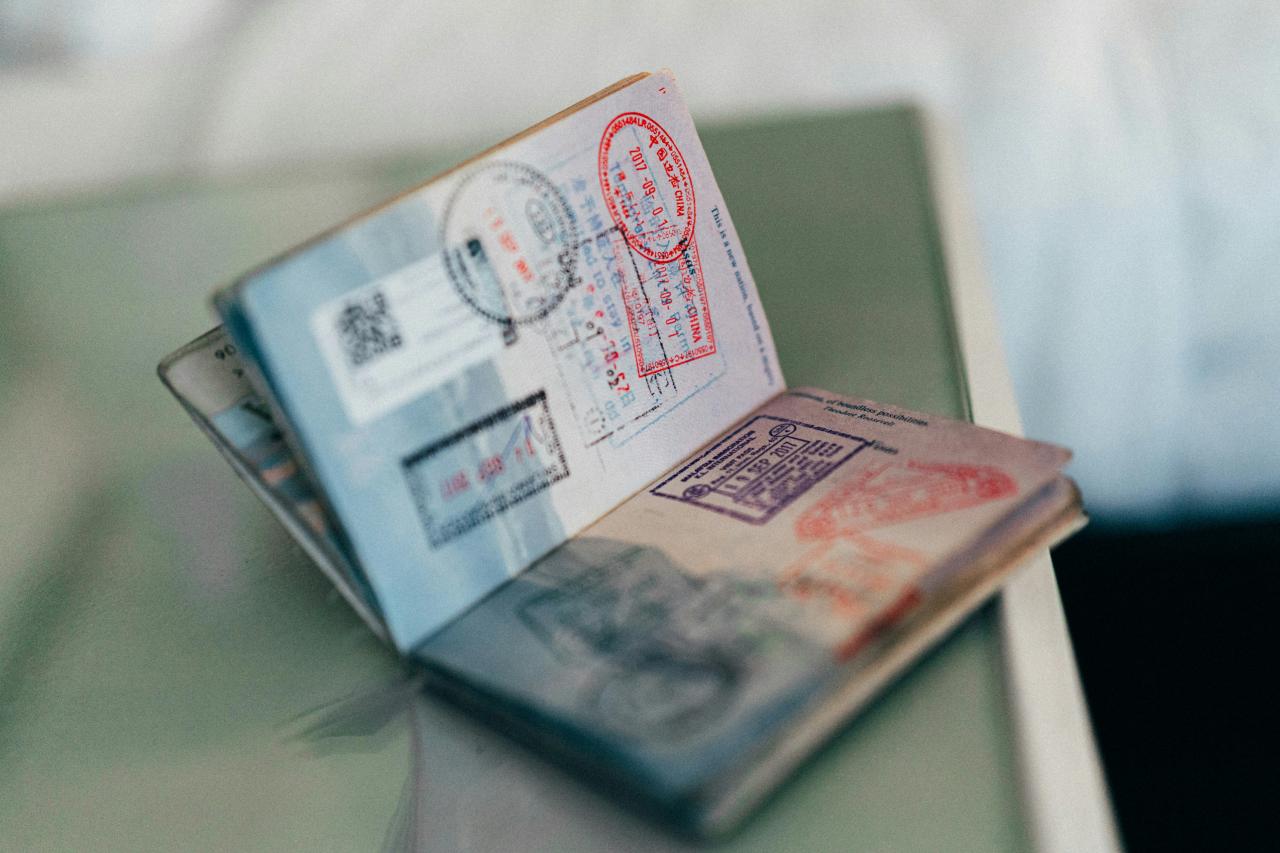
The traditional image of international travel has always been synonymous with a small, navy-blue or burgundy paper booklet filled with colorful stamps and stickers. For over a century, the physical passport has been the ultimate gatekeeper of global mobility, representing a traveler’s identity and their right to cross sovereign lines. However, as we move deeper into 2026, the era of fumbling through bags to find a tattered document or worrying about losing a physical ID is rapidly coming to an end.
We are currently witnessing a massive technological migration toward “Biometric Borders,” where your unique biological traits—your face, your eyes, and your fingerprints—become your permanent digital key. This shift is not merely about convenience; it is a sophisticated response to the increasing need for heightened security and the overwhelming volume of global passengers. Major international hubs from Singapore to London are already implementing “tokenless” travel systems that allow you to walk from the curb to the gate without ever showing a piece of paper.
This revolution represents a fundamental change in the concept of digital identity, merging biology with high-speed data processing. As we dismantle the old physical barriers, we are building a world where the person is the passport, and the border becomes an invisible, frictionless experience.
The Mechanics of Biometric Identification
At its core, biometric technology relies on the unique physical characteristics that make you who you are. These traits are converted into a mathematical code that is nearly impossible to forge or replicate.
When you approach a biometric gate, high-definition cameras capture your features and compare them to a secure database in milliseconds. This process is far more accurate than a human officer glancing at a decade-old photo in a paper booklet.
A. Facial recognition analyzes the distance between your eyes, the shape of your nose, and the contours of your jawline.
B. Iris scanning maps the intricate patterns in the colored part of your eye, which are more unique than fingerprints.
C. Fingerprint sensors use capacitive or ultrasonic technology to capture the ridges and valleys of your skin.
D. Behavioral biometrics can even analyze the way you walk or your unique typing rhythm to confirm your identity.
E. Thermal imaging is sometimes used to ensure that the “face” being scanned is a living human and not a high-resolution mask.
The Rise of “One ID” and Seamless Boarding
The International Air Transport Association (IATA) has been pushing a vision called “One ID” for several years. The goal is to create a single biometric token that follows the traveler throughout their entire journey.
Instead of showing your ID at check-in, security, duty-free, and the boarding gate, you simply look into a camera at each touchpoint. This creates a “seamless flow” that significantly reduces the time spent standing in lines.
A. Your biometric profile is linked to your digital boarding pass and baggage tag at the start of your trip.
B. Automated “Smart Gates” replace traditional immigration desks, allowing for 24/7 processing without fatigue.
C. The system can automatically alert gate agents if a passenger’s biometric data doesn’t match the flight manifest.
D. High-speed processing means a fully loaded jumbo jet can be boarded in less than 20 minutes.
E. Contactless technology reduces the spread of germs, a major priority for post-pandemic travel infrastructure.
Digital Travel Credentials (DTC) and the Cloud
The physical passport is being replaced by what the industry calls Digital Travel Credentials or DTC. This is a virtual version of your identity that lives in an encrypted “digital wallet” on your smartphone or in the cloud.
Governments can issue these credentials directly to your device, allowing you to apply for visas and clear “pre-clearance” before you even leave your house. This shifts the border from the airport to your living room.
A. DTCs are built on decentralized identity standards, ensuring that you—and only you—own your data.
B. Digital visas can be updated in real-time, eliminating the need for physical stickers or embassy visits.
C. Encrypted “handshakes” between your phone and the border terminal ensure that no private data is leaked.
D. Cloud-based identity allows for instant recovery if you lose your phone, unlike a lost physical passport.
E. The system can integrate with health certificates and vaccination records for a comprehensive “Ready to Fly” status.
Enhancing Global Security and Fraud Prevention
While convenience is the headline, the primary driver for biometric borders is actually national security. Physical passports are susceptible to theft, alteration, and sophisticated forgery.
Biometric data, however, is significantly harder to manipulate. AI algorithms can detect “liveness,” ensuring that a traveler isn’t using a photo, video, or 3D-printed model to bypass security.
A. Multi-modal biometrics (combining face and iris) bring the margin of error down to almost zero.
B. Watchlists can be integrated into the system to instantly flag high-risk individuals as they enter the airport.
C. Fraudulent “look-alike” passports become useless when the system checks the underlying biological data.
D. AI can analyze “micro-expressions” to detect signs of extreme stress or deception during the boarding process.
E. Secure data sharing between friendly nations allows for a “trusted traveler” network that spans the globe.
Solving the Airport Congestion Crisis
Global travel volume is expected to double by the mid-2030s. Most existing airports simply do not have the physical space to build more immigration desks or larger security halls.
Biometrics allow airports to process more people in the same amount of space. By removing the “stop-and-start” nature of document checks, the entire terminal becomes more efficient.
A. Biometric kiosks can process a passenger in under 10 seconds, compared to 2 minutes for a manual check.
B. “Walk-through” security corridors use advanced sensors to scan passengers and their bags while they are moving.
C. Reduced wait times in security lead to higher “dwell time” in airport lounges and retail areas, boosting revenue.
D. Baggage drop-off becomes a self-service experience where your face is your claim tag.
E. Airlines can operate with fewer ground staff, focusing their human resources on passengers who need extra help.
The Privacy Concern: Who Owns Your Face?
The move toward biometric borders is not without controversy. Many privacy advocates are concerned about how this sensitive data is stored and who has access to it.
In 2026, the industry is moving toward “Self-Sovereign Identity” (SSI). This means that instead of a massive government database holding your face, your biometric signature is stored locally on your own encrypted device.
A. Zero-knowledge proofs allow the system to verify you are “the right person” without ever seeing your actual image.
B. Strict “General Data Protection Regulation” (GDPR) style laws are being adapted for biometric travel data.
C. Travelers are given the option to “opt-out” and use traditional manual lanes, though these are becoming slower.
D. Data is often deleted or “shredded” automatically after a journey is completed to prevent long-term tracking.
E. Independent audits of biometric algorithms ensure that there is no bias based on race, gender, or age.
The Role of 5G and Edge Computing
The speed of biometric borders relies on the infrastructure behind the scenes. 5G networks and edge computing allow for the massive amounts of data in a high-res facial scan to be processed instantly.
Without this speed, the “seamless” part of the experience would fail. Edge computing places the “brains” of the AI at the airport itself, rather than in a distant server farm.
A. 5G allows for thousands of biometric devices to be connected simultaneously without a drop in performance.
B. Edge nodes ensure that even if the main internet goes down, the airport’s biometric gates remain operational.
C. Real-time data syncing ensures that if you change your flight, every gate in the airport knows immediately.
D. Low-latency connections prevent the “lag” that used to cause frustration in early biometric trials.
E. Modern GPUs at the “edge” can handle complex AI vision tasks in a fraction of a second.
Biometrics Beyond the Airport: Hotels and Car Rentals
The end of the physical passport isn’t just an airport story. The same biometric token you used to board your flight can be used to check into your hotel or unlock your rental car.
This creates a “Unified Travel Experience.” You can land in a new country, walk straight to your car, and enter your hotel room without ever talking to a receptionist or showing an ID.
A. Digital car rental keys are “sent” to your biometric profile once you clear customs at your destination.
B. Hotel “Smart Room” systems use facial recognition to grant access, replacing easily lost plastic key cards.
C. Duty-free shopping becomes a “grab-and-go” experience where your face is linked to your payment method.
D. Theme parks and attractions use biometrics for entry, eliminating the need for wristbands or paper tickets.
E. Your biometric identity can even store your preferences, like your favorite room temperature or car seat position.
The Economic Impact of Tokenless Travel
For governments and airlines, the move to biometrics is a massive cost-saving measure. While the initial investment in hardware is high, the long-term operational savings are even higher.
Airlines save millions in fines for “inadmissible passengers” who travel on forged documents. Airports save on labor costs and the physical footprint required for traditional processing.
A. The “Cost Per Passenger” processed drops significantly as automation takes over the bulk of the work.
B. Reduced flight delays (caused by slow boarding) lead to massive savings in fuel and crew costs.
C. Biometric data helps optimize the “flow” of the airport, reducing the need for expensive terminal expansions.
D. New revenue streams emerge from personalized “Smart Retail” experiences in the biometric terminal.
E. Insurance companies offer lower premiums to airlines and airports that use high-accuracy biometric security.
Global Standardization: The Final Hurdle

For biometric borders to work perfectly, every country needs to agree on the same technical standards. If the US uses one system and France uses another, the traveler still faces friction.
International bodies like ICAO (International Civil Aviation Organization) are working to create a global “Interoperability Framework.” This ensures that your digital identity works in Tokyo just as well as it does in New York.
A. Standardized “Biometric Data Interchange” formats prevent vendor lock-in and encourage innovation.
B. Treaties are being signed to allow for the secure sharing of “Biometric Hash” data between allied nations.
C. Developing nations are being provided with “Modular Biometric Kits” to ensure they aren’t left behind.
D. Regular “Plug-tests” are held where different hardware manufacturers prove their devices can talk to each other.
E. The goal is a universal “Digital Passport” that is recognized by every sovereign nation on Earth.
The Future of “Invisble” Borders
In the next decade, the “gate” itself might disappear. Advanced sensors and AI will be able to identify travelers as they walk through the airport concourse at a normal pace.
This is the ultimate dream of travel tech: a world where there are no borders, only a continuous, safe, and efficient flow of people across the globe.
A. “Biometrics-on-the-move” technology can identify individuals in a crowd without requiring them to stop.
B. Integrated sensors in airport floors and walls provide a 360-degree security view that is entirely non-intrusive.
C. Artificial Intelligence will be able to predict passenger “intent” to stop potential threats before they reach a gate.
D. The physical layout of airports will shift from “security-first” to “experience-first” as the tech becomes invisible.
E. We are moving toward a “Post-Document” society where your biological essence is your only required credential.
Overcoming the “Algorithm Bias” Challenge
One of the major hurdles for biometric borders is ensuring that the technology works equally well for everyone. Early versions of facial recognition struggled with different skin tones or lighting conditions.
In 2026, developers are using “Diverse Training Sets” to ensure that AI is fair and unbiased. This is critical for maintaining public trust in a system that governs the right to travel.
A. Synthetic data is used to “stress-test” biometric systems against millions of variations in human appearance.
B. Human-in-the-loop systems ensure that an officer is always available to resolve any algorithmic errors.
C. “Bias Audits” are conducted by third-party organizations to certify that a system meets fairness standards.
D. Improved sensor technology can now “see” through heavy makeup, glasses, or religious headwear with ease.
E. Public education campaigns are helping travelers understand how the tech works and why it is being used.
Conclusion

The transition toward biometric borders is the most significant change in travel history.
We are watching the slow but inevitable death of the physical paper passport.
Your face and eyes are becoming the only keys you need to explore the world.
This revolution is making our borders both more secure and significantly more efficient.
The “One ID” vision is turning the airport experience into a seamless and enjoyable flow.
Privacy remains a major concern that must be addressed with transparency and secure tech.
Hardware and software are evolving to make these sophisticated checks almost invisible to the user.
Airlines and airports are reaping the financial benefits of an automated, data-driven system.
We are building a global network where your identity is truly portable and impossible to steal.
The era of standing in long immigration lines is finally coming to a close for everyone.
Embrace your biological identity as you step into the frictionless future of global mobility.

