

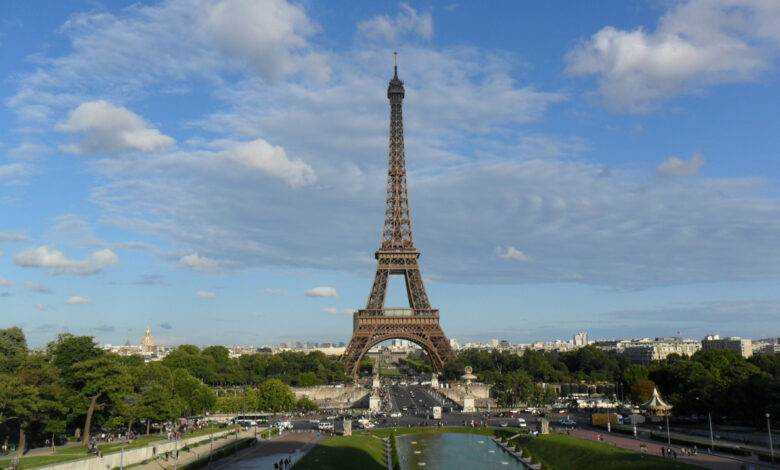
Introduction: The Paradox of Popular Tourist Spots
The modern traveler often faces a frustrating dilemma: the desire to experience the world’s most beautiful and historically significant sites—from the Eiffel Tower to the Colosseum—is constantly undermined by the sheer volume of crowds that now swamp these popular tourist spots. What should be a moment of peaceful awe and personal reflection is frequently transformed into a shoulder-to-shoulder jostle for a fleeting photo opportunity, severely diminishing the sense of magic and authenticity. This paradox means that visiting an iconic landmark often results in seeing the crowds more clearly than the monument itself, leaving the traveler feeling rushed, disconnected, and ultimately disappointed by the experience. Escaping this tourist trap mentality requires a strategic, almost counter-intuitive approach to travel planning, one that prioritizes timing, research, and a willingness to explore off the beaten path.
The secret to truly experiencing these famous locations lies in developing proactive strategies for avoiding crowds, not by eliminating them entirely, but by cleverly positioning oneself in both time and space to maximize moments of solitude. This methodology leverages behavioral science, using data on tourist flow and operational hours to identify the sweet spots when visitor density is at its lowest. Furthermore, the savviest explorers understand that the most rewarding discoveries are often not the main attractions themselves, but the captivating, lesser-known hidden gems that lie just a few steps or a short transit ride away from the overwhelming primary site.
Therefore, this quest for authentic, uncrowded travel demands a transition from passive sightseer to active, strategic explorer. This extensive guide will dissect the essential knowledge and actionable techniques required for Finding Hidden Gems and navigating high-traffic areas with grace. We will cover everything from the critical importance of booking times and leveraging seasonal shifts to mastering the art of the early morning start and utilizing technology to predict tourist flow, empowering you to reclaim the wonder of travel and experience the world’s beauty in blissful tranquility.
1. The Power of Timing: Winning the Early Morning Game
Tourist density follows a highly predictable pattern: peaking during the late morning and early afternoon. By intentionally shifting your schedule, you can experience popular sites at their most serene.
Winning the battle against crowds requires mastering the pre-peak window.
A. The Sunrise Strategy
Fully commit to The Sunrise Strategy. Arrive at major outdoor landmarks (like the Grand Canyon or Angkor Wat) at least 30 minutes before dawn, when light is soft and the mood is quiet.
This allows you to enjoy the site in peaceful solitude and capture unique, stunning photographs free of people.




B. The First Entry Ticket
Always purchase The First Entry Ticket available for indoor museums or historical sites. Being among the first group inside ensures you can walk through the key rooms before the main flood of daily visitors arrives.
Aim to be at the front of the queue 15 to 20 minutes before the official opening time.
C. The Late Evening Lull
Exploit The Late Evening Lull at attractions that remain open until sunset or later. Many tourists leave right after the peak daylight hours, creating a noticeable drop in crowd size.
Some cities offer unique evening visits, such as sunset views from high towers or late museum hours.
D. The Mid-Day Lunch Buffer
Use The Mid-Day Lunch Buffer to your advantage. Many large tour groups and general tourists pause for lunch between 12:30 PM and 2:00 PM, creating a small, temporary dip in indoor crowd density.
Target popular sections or key exhibits during this window to briefly experience them with fewer people.
E. Exploiting Shoulder Seasons
Maximize your trip by Exploiting Shoulder Seasons. Traveling just before or immediately after the peak summer or holiday months (e.g., late April/early May or mid-September/early October) offers significantly lower crowds.
The weather is often still pleasant, and prices for accommodation are usually reduced as well.
2. Strategic Booking and Entry Logistics
The method used to book your ticket and enter the site can be as important as the time you choose to visit. Prioritizing efficiency bypasses the often-crippling entry queues.
Never rely on purchasing tickets on the day of your visit, as this guarantees a long wait.
F. Mandatory Pre-Booking
Commit to Mandatory Pre-Booking of tickets online, directly through the attraction’s official website, whenever possible. Always opt for timed entry slots if available.
Pre-booking allows you to skip the long ticket-purchase queue and proceed directly to the security line.
G. The Express Pass Investment
For highly popular attractions where time is limited, consider The Express Pass Investment. Though more expensive, fast-track or priority access tickets often cut wait times from hours down to minutes.
The cost is often justified by the huge time savings and avoidance of queue fatigue.
H. Utilizing Alternative Entrances
Research Utilizing Alternative Entrances. Many large, sprawling sites (like the Vatican Museums or the Louvre) have multiple entry points; the main public entrance is always the busiest.
Look for entrances reserved for pre-booked groups, specific passes, or secondary access points.
I. Guided Tour Entry
Occasionally, Guided Tour Entry offers an advantage. Some major sites reserve specific entry times or expedited entry points solely for authorized tour groups, which can bypass the general admission line entirely.
Joining a legitimate, small-group tour can be a strategic way to enter quickly and receive commentary.
J. The Multi-Day Pass Tactic
If staying for several days, consider The Multi-Day Pass Tactic. Passes (like the Rome Pass or Paris Museum Pass) often allow you to enter sites at different times on different days, bypassing the ticket booth each time.
This gives you the flexibility to abandon a visit if the crowds are unbearable and return later.
3. Finding the “Hidden Gems” Near Popular Sites
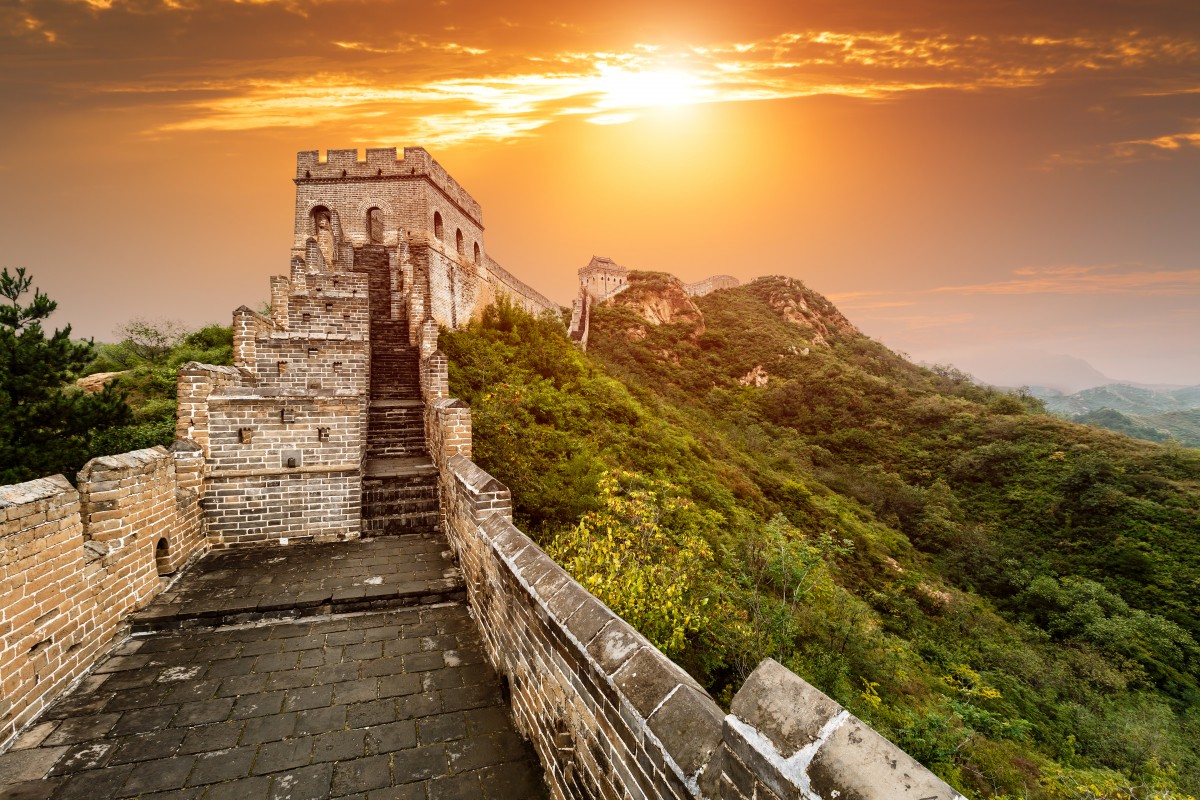
The biggest crowds often gather around a single famous viewpoint or exhibit. True tranquility can be found by creatively exploring the immediate perimeter or the attraction’s overlooked neighbors.
The most authentic discoveries are often just one block away from the crowds.
K. The Perimeter Exploration
Practice The Perimeter Exploration. After seeing the main sight, walk around the entire outer perimeter or the nearby side streets. These areas often feature unique local cafes, artisan shops, or historic views untouched by the main tourist flow.
You gain a better appreciation of the context and scale of the landmark.
L. Seeking Out Lesser-Known Neighbors
Actively search for Seeking Out Lesser-Known Neighbors. Every major museum or monument has smaller, less famous museums, churches, or parks nearby that offer similar historical or artistic depth without the crowds.
These adjacent sites often house incredible treasures and offer quiet moments of reflection.
M. Utilizing Public Parks and Gardens
Retreat to Utilizing Public Parks and Gardens. Locate the nearest green space near a major landmark; these spots offer an immediate, peaceful escape from the concrete and crowds, perfect for a break or a cheap lunch.
These quiet spaces are often overlooked by tourists rushing from one ticketed site to the next.
N. The View from Afar
Change your perspective by adopting The View from Afar. Instead of joining the crush right at the base of a monument, find a viewpoint across a river, from a nearby hill, or from a less-famous public building.
A slightly distant view often allows for better photos and a less stressful experience of the landmark’s scale.
O. Searching for Local Markets
Look up and Searching for Local Markets. Neighborhood produce or flea markets near major tourist districts offer a genuine, dynamic local experience that is entirely different from the curated atmosphere of the main attraction.
These markets are excellent places for authentic, inexpensive street food and people-watching.
4. Leveraging Technology and Data
Modern travel planning can be significantly enhanced by utilizing real-time data and technological tools designed to predict and visualize crowd flow and visitor behavior.
Technology provides the data to make proactive, anti-crowd decisions.
P. Google’s Popular Times
Routinely consult Google’s Popular Times feature. This tool, found in Google Maps, analyzes past visitor data to predict the busiest and quietest hours of the day for specific businesses, museums, and landmarks.
Use this data to schedule your visit 30-60 minutes before the historically quietest time.
Q. Live Webcam Check
When possible, perform a Live Webcam Check. Many major European squares and famous viewpoints maintain live webcams, allowing you to visually confirm the current crowd level before commuting to the location.
A quick check can save a wasted trip if the crowds are overwhelmingly bad.
R. Social Media Geotag Analysis
Use Social Media Geotag Analysis strategically. Search recent posts tagged at the location on platforms like Instagram to gauge the current crowd density and see what recent visitors are complaining about or recommending.
Recent, organic photos provide a very current snapshot of the on-site reality.
S. Utilizing Booking App Data
Look at Utilizing Booking App Data for hotels and tours. High hotel occupancy or rapidly selling tour slots for a specific period (e.g., a local festival weekend) signals that the overall destination will be extremely crowded.
This helps you adjust your travel dates or plans long before you arrive.
5. The Traveler’s Mindset and Approach
Avoiding crowds is not just a logistical puzzle; it requires a change in the traveler’s psychological approach, embracing flexibility and appreciating secondary experiences.
A flexible mindset is the best buffer against travel frustration.
T. The Acceptance of Imperfection
Adopt The Acceptance of Imperfection. Recognize that you cannot perfectly avoid all crowds at the world’s most famous sites, and that encountering people is part of the global travel experience.
Lowering expectations about total solitude prevents disappointment.
U. Embracing the “Slow Travel” Mentality
Adopt Embracing the “Slow Travel” Mentality. Instead of rushing through three sites in a day, spend a full morning at just one. Observing the changing light and small details reduces the pressure to “check off” a list.
Deeper engagement with a single site is always more rewarding than superficial viewing of many.
V. Seeking Out Localized Experiences
Focus heavily on Seeking Out Localized Experiences far from the main tourist trail, such as neighborhood markets, local transport, and small, non-chain restaurants.
These experiences offer the true cultural immersion that the crowded landmarks often cannot provide.
W. The Strategic Pause
When faced with a sudden crush of people, implement The Strategic Pause. Step back, find a bench or wall, and wait patiently for 10-15 minutes for the main flow of the crowd to pass through the choke point.
Crowds often move in waves, and waiting for the lull is highly effective.
X. Prioritizing Off-Season Travel
If possible, make Prioritizing Off-Season Travel a primary choice. Visiting popular destinations during their coldest, wettest, or least convenient months virtually guarantees a significantly lower visitor count.
The trade-off of weather for solitude is often a rewarding exchange.
Conclusion: Reclaiming the Joy of Discovery
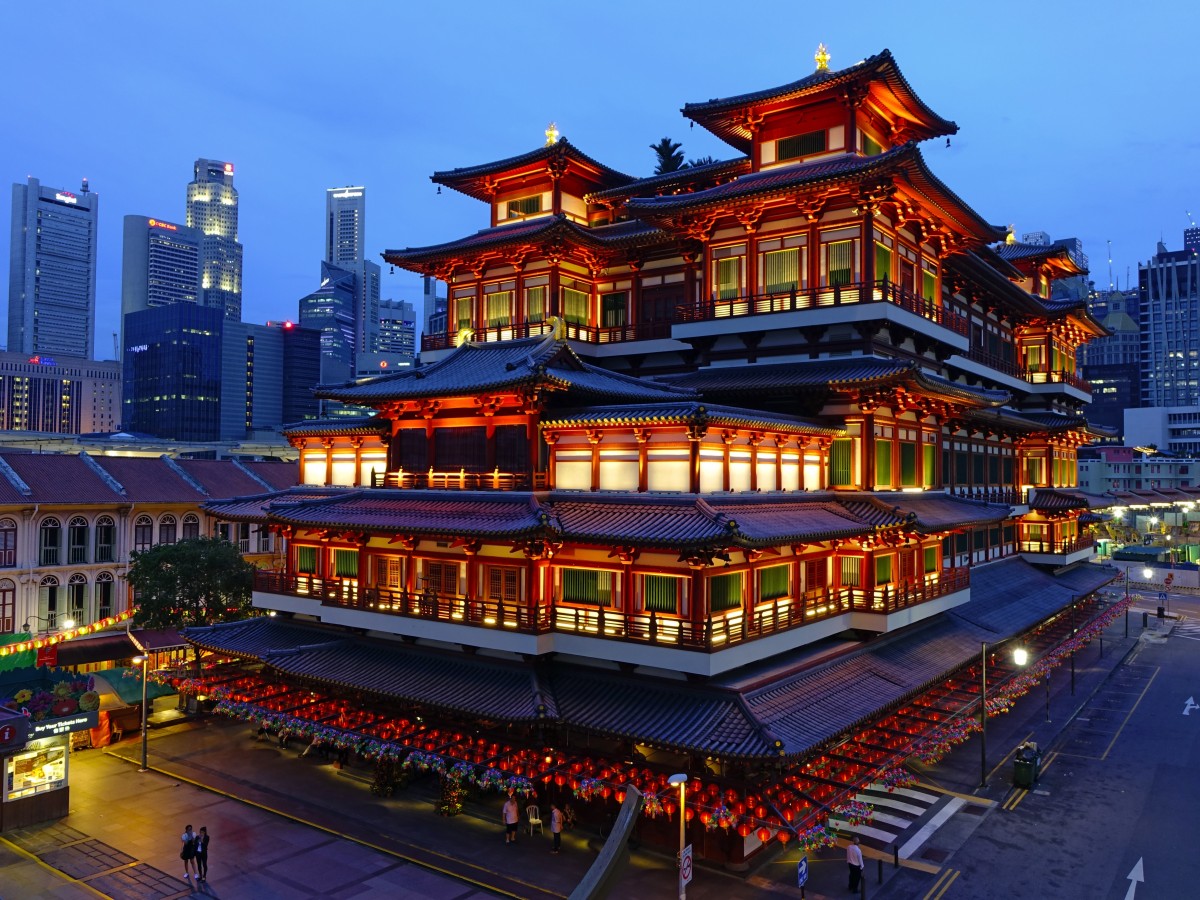
Successfully finding hidden gems and implementing clever strategies for avoiding crowds at the world’s most popular sites transforms the travel experience from a hurried transaction into a personal, reflective discovery. This transformation is achieved by mastering the critical element of time, primarily by committing to the sunrise strategy and securing the first entry ticket of the day to enjoy solitude before the daily rush begins.
The strategic use of planning, through mandatory pre-booking and leveraging Google’s Popular Times data, effectively bypasses the agonizingly long ticket queues. Furthermore, the true essence of authenticity is reclaimed by exploring the perimeter and seeking out lesser-known neighbors—those quiet, overlooked spots that lie just outside the overwhelming main tourist zone.