

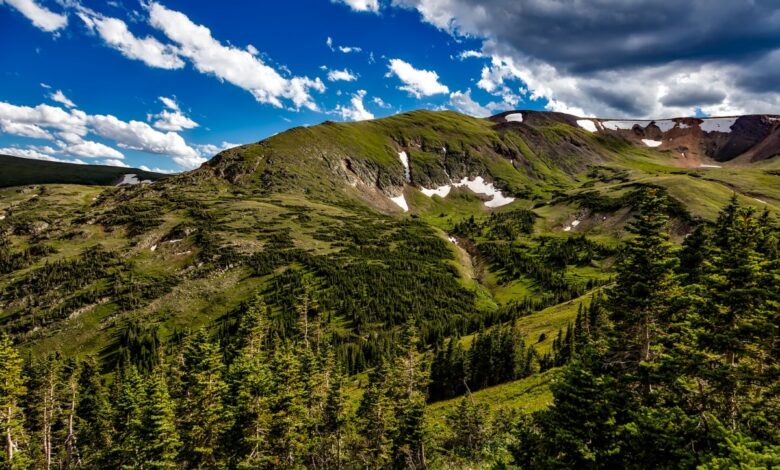
For decades, the European travel narrative has been overwhelmingly dominated by a familiar, well-trodden circuit of iconic mega-cities—Paris, Rome, London, and Berlin—magnets for mass tourism that, while undeniably magnificent, often leave the modern traveler battling relentless crowds, navigating exorbitant costs, and yearning for a more genuine, unvarnished cultural encounter.
This heavy concentration on just a few major hubs frequently overshadows the vast, diverse tapestry of the continent, obscuring countless smaller, equally charming, and historically significant cities that possess a distinct, powerful identity untouched by the homogenized sheen of global tourism saturation. The truly rewarding European journey, the one that lingers vividly in memory long after the suitcases are unpacked, is increasingly defined by the successful pursuit of these “hidden gems”—destinations that offer the authentic local pulse, the rich architectural history, and the tranquil atmosphere that has largely vanished from the most famous tourist hot spots.
Discovering these secret European cities requires moving beyond the guidebooks’ first pages and embracing a sense of adventurous curiosity, ultimately promising a more profound, financially accessible, and personally enriching travel experience that connects the visitor directly to the soul of the continent.
Pillar 1: The Iberian Peninsula’s Undiscovered Charms
Beyond Madrid and Lisbon, Spain and Portugal harbor coastal cities and historical havens that offer genuine cultural immersion.
A. Porto, Portugal: The Unsung Second City
A coastal marvel with a focus on wine and river life.
-
Duoro River Valley: While the city is gaining popularity, it remains far less crowded than Lisbon, offering a stunning medieval core that cascades down to the Duoro River, the heart of the world-famous Port wine industry.
-
Ribeira District Charm: The colorful, narrow streets of the Ribeira district are perfect for relaxed exploration, filled with authentic tascas (taverns) serving traditional Portuguese fare.
-
-
Architectural Highlights: Porto boasts unique architecture, most notably the stunning São Bento train stationcovered in traditional azulejo tiles, which is a work of art in itself.





B. Seville, Spain: Moorish History and Flamenco Soul
An Andalusian capital rich in history, often overlooked for Barcelona.
-
Alcázar Palace Intricacy: While the Alhambra gets the fame, Seville’s Alcázar Palace is a stunning, living example of Mudejar architecture, with breathtaking gardens and intricate tiling that defines the region’s style.
-
Flamenco Heart: Seville is widely considered the birthplace and spiritual capital of Flamenco, offering numerous intimate, highly passionate local shows that feel far removed from tourist traps.
-
The Local Vibe: The city maintains a strong, vibrant Andalusian pulse, known for its late-night tapas culture and lively, historic neighborhoods where life spills onto the narrow, sun-drenched streets.
C. San Sebastián, Spain: Culinary Excellence on the Bay
A Basque coastal city famous for its unique food scene.
-
Pintxos Culture: San Sebastián is not just a city; it is a culinary pilgrimage site, famous for its pintxos (Basque version of tapas) which are intricate, gourmet bites served on bar counters.
-
La Concha Beach: The city curves around the spectacular Playa de la Concha, one of Europe’s most beautiful urban beaches, providing a perfect blend of high culture and seaside relaxation.
-
Regional Uniqueness: The Basque Country offers a distinct language and culture separate from the rest of Spain, giving the city a unique, sophisticated identity that is highly rewarding to explore.
Pillar 2: Central and Eastern Europe’s Unpolished Jewels
Moving east reveals cities that retain their Soviet-era grit and centuries-old imperial elegance without the price tag of Prague or Vienna.
A. Wrocław, Poland: The City of Bridges and Dwarfs
A vibrant cultural center with a distinctive whimsical character.
-
Unique Architecture: Wrocław, often pronounced ‘Vrots-wav’, boasts a majestic Gothic Old Town Hall and a stunning array of colorful baroque and Gothic architecture rebuilt after wartime damage.
-
Island Hopping: Known as the “Venice of Poland,” the city is built on twelve islands connected by over 100 bridges, perfect for scenic walks along the Oder River.
-
The Dwarf Hunt: A truly unique charm is the presence of hundreds of small bronze dwarf statues scattered throughout the city center, which originated as a political symbol and are now a fun scavenger hunt for visitors.
B. Ljubljana, Slovenia: The Green Capital of Europe
A picturesque, tiny capital prioritizing pedestrian life.
-
Pedestrian-Friendly Center: Ljubljana (pronounced ‘Loo-blee-ah-na’) has completely banned cars from its picturesque Old Town, making it one of the most pleasant, walkable, and relaxed capitals on the continent.
-
Riverside Cafes: The city’s social life revolves around the Ljubljanica River, lined with quiet cafes and bars that invite long, lazy afternoons of people-watching.
-
Castle Views: A short funicular ride up to the Ljubljana Castle offers stunning, panoramic views of the city’s red rooftops and the surrounding, beautiful Slovenian Alps.
C. Cluj-Napoca, Romania: Transylvania’s Cultural Hub
A dynamic city blending medieval roots with modern university life.
-
Transylvanian History: This city serves as the cultural and historical capital of the Transylvania region, offering a rich history that pre-dates medieval times, visible in its central Union Square and St. Michael’s Church.
-
Youthful Energy: As a major university city, Cluj-Napoca (pronounced ‘Cloo-j Nah-poh-cah’) possesses a vibrant, affordable nightlife and arts scene, giving it a youthful, energetic counterpoint to its historic core.
-
Gateway to Nature: It acts as an ideal launchpad for exploring the dramatic, forested Carpathian Mountainsand the famous, slightly spooky, medieval castles of Transylvania.
Pillar 3: Nordic and Baltic Secrets
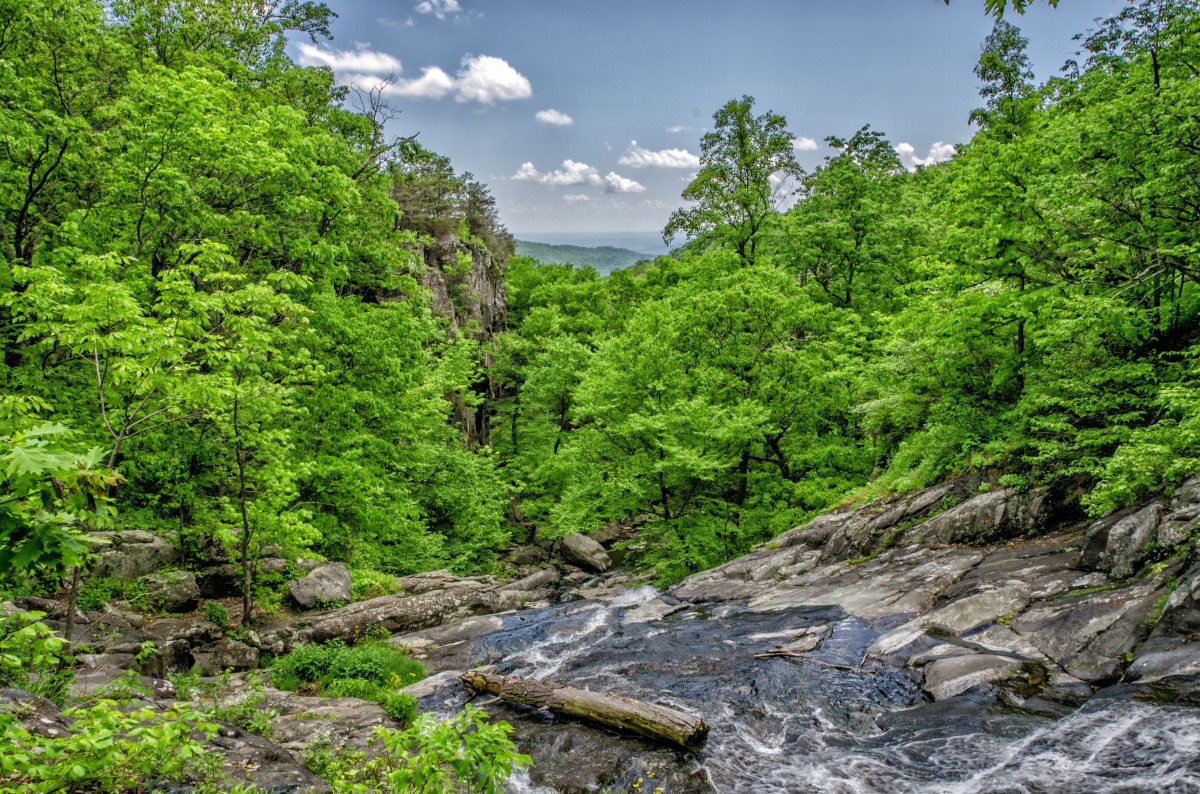
The Nordics are notoriously expensive, but the Baltic nations and smaller Scandinavian cities offer an affordable glimpse into the region’s unique heritage.
A. Tallinn, Estonia: Medieval Magic and Digital Future
A walled city that perfectly contrasts history with cutting-edge tech.
-
Perfectly Preserved Old Town: Tallinn boasts one of the best-preserved medieval Hanseatic towns in Europe, complete with defensive walls, watchtowers, and cobblestone streets, earning it UNESCO status.
-
Digital Innovation: Despite its historical appearance, Estonia is a global leader in digital governance, giving Tallinn a fascinating dual identity where ancient stone meets cutting-edge technology.
-
Kalamaja District: Explore the hip Kalamaja district, known for its colorful wooden architecture, trendy cafes, and converted industrial spaces, showcasing the city’s creative, modern edge.
B. Bergen, Norway: The Gateway to the Fjords
A stunning city nestled between mountains and the sea.
-
UNESCO Bryggen: The iconic Bryggen wharf, with its row of colorful, distinctively narrow wooden houses, is a UNESCO World Heritage site and the most recognizable symbol of Norway’s historic trading power.
-
Natural Setting: Bergen is perfectly situated as the “Gateway to the Norwegian Fjords,” offering easy access to some of the world’s most dramatic, breathtaking natural scenery via train or boat.
-
Fløyen Funicular: A ride on the Fløibanen funicular takes visitors high above the city, providing unforgettable vistas of the harbor, islands, and the surrounding seven mountains that frame the city.
C. Kaunas, Lithuania: The Art Deco Capital
A less touristy alternative to Vilnius, with an artistic flair.
-
Modernist Architecture: Kaunas is famous for its unique interwar modernist and Art Deco architecture, earning it a UNESCO designation for its distinct 20th-century aesthetic.
-
Laisvės Alėja: Life centers around the broad, pedestrianized Laisvės Alėja (Freedom Alley), perfect for strolling, dining, and soaking up the more relaxed, local rhythm of the city.
-
Street Art Scene: The city has a surprisingly active and vibrant street art and mural scene, often featuring whimsical and politically charged works that reflect a strong artistic community.
Pillar 4: The Mediterranean’s Quiet Corners
Escaping the crowds of Italy’s famous trinity (Rome, Florence, Venice) and Greece’s islands reveals equally stunning, smaller cultural centers.
A. Matera, Italy: Cave Dwellings and Ancient History
A city famous for its unique prehistoric dwellings.
-
The Sassi Caves: Matera is globally unique, known for the Sassi, ancient cave dwellings carved into the rock face that were continuously inhabited for millennia until the 1950s.
-
Unbelievable Atmosphere: Walking through the Sassi is like stepping back in time, providing a raw, incredibly atmospheric experience that feels unlike any other Italian city, often used as a set for historical films.
-
Southern Cuisine: The city sits in the Basilicata region, offering hearty, rustic southern Italian cuisine that is often far cheaper and more authentic than the food found in the northern tourist centers.
B. Valletta, Malta: A Fortified Baroque Treasure
A tiny, densely packed capital on a strategic island.
-
Baroque Masterpiece: The entire city of Valletta, situated on a narrow peninsula, is a UNESCO World Heritage site, famed for its grid of steep streets and stunning Baroque architecture, fortified by massive stone walls.
-
Grand Harbour Views: The Upper Barrakka Gardens offer breathtaking, sweeping views over the Grand Harbour, one of the most beautiful natural harbors in the world, framed by ancient defensive bastions.
-
Cultural Fusion: Malta’s history as a crucial point between Europe and North Africa gives Valletta a unique cultural and culinary fusion, distinct from mainland Europe.
C. Split, Croatia: Roman Ruins and Coastal Life
A Dalmatian city built inside an ancient Roman palace.
-
Diocletian’s Palace: The true heart of Split is the ancient Diocletian’s Palace, a massive Roman ruin where modern shops, apartments, and restaurants are built directly into the original Roman walls and foundations.
-
Coastal Promenade: The city enjoys a vibrant, palm-lined Riva promenade, perfect for evening strolls and serving as the social hub for both locals and travelers.
-
Island Hopping Hub: Split is the ideal base for exploring the stunning Dalmatian Coast and the many surrounding islands (like Hvar and Brač), offering unparalleled access to the Adriatic Sea.
Pillar 5: Essential Strategies for Finding Your Own Gem
The best hidden gems are often those you find yourself. Learn how to spot and secure a truly unique, low-cost destination.
A. The “Second City” Rule
Always look past the capital city for authentic culture and better value.
-
Lower Prices: The second or third largest city in any European country (e.g., Glasgow in Scotland, Manchester in England, Marseille in France) consistently offers significantly cheaper accommodations, food, and local transportation than the capital.
-
Authentic Vibe: These cities often retain a stronger local identity and culture, having a more robust industrial, cultural, or artistic scene that is less diluted by transient tourism.
-
Accessibility: Major regional centers are highly accessible by direct, low-cost flights and efficient high-speed rail networks, making them easy to include in any itinerary.
B. Leveraging Low-Cost Carrier Routes
Letting the budget flights dictate the next destination.
-
Price-Driven Discovery: Use the route maps or “everywhere” search functions of major low-cost airlines (like Ryanair, EasyJet, or Wizz Air) to see which less-famous cities offer the cheapest non-stop flights from your home or connecting airport.
-
Airport Vetting: If a flight is cheap, check the location of the airport; LCCs often fly to tiny, remote airports that require an expensive, lengthy bus or taxi ride to the city center, negating the flight savings.
-
Seasonal Routes: Be aware that many low-cost routes are seasonal; book well in advance for these to secure the best price and ensure the route is running during your desired travel window.
C. Utilizing Off-Season Travel
Finding peace and lower prices in previously crowded regions.
-
Shoulder Season Savings: Travel during the “shoulder seasons” (April-May or September-October); the weather is still pleasant in most of Southern Europe, but flight and hotel prices drop dramatically as school holidays end.
-
Winter Charm: Do not dismiss Central and Eastern Europe in winter; cities like Wrocław or Tallinn possess a unique, quiet, snow-dusted charm during the colder months, and prices are at their absolute annual low.
-
Increased Interaction: Off-season travel provides a much higher quality of interaction with local people, as workers are less burned out and the cities revert to catering more to local residents than to tourists.
Conclusion: Beyond the Postcard Perfection
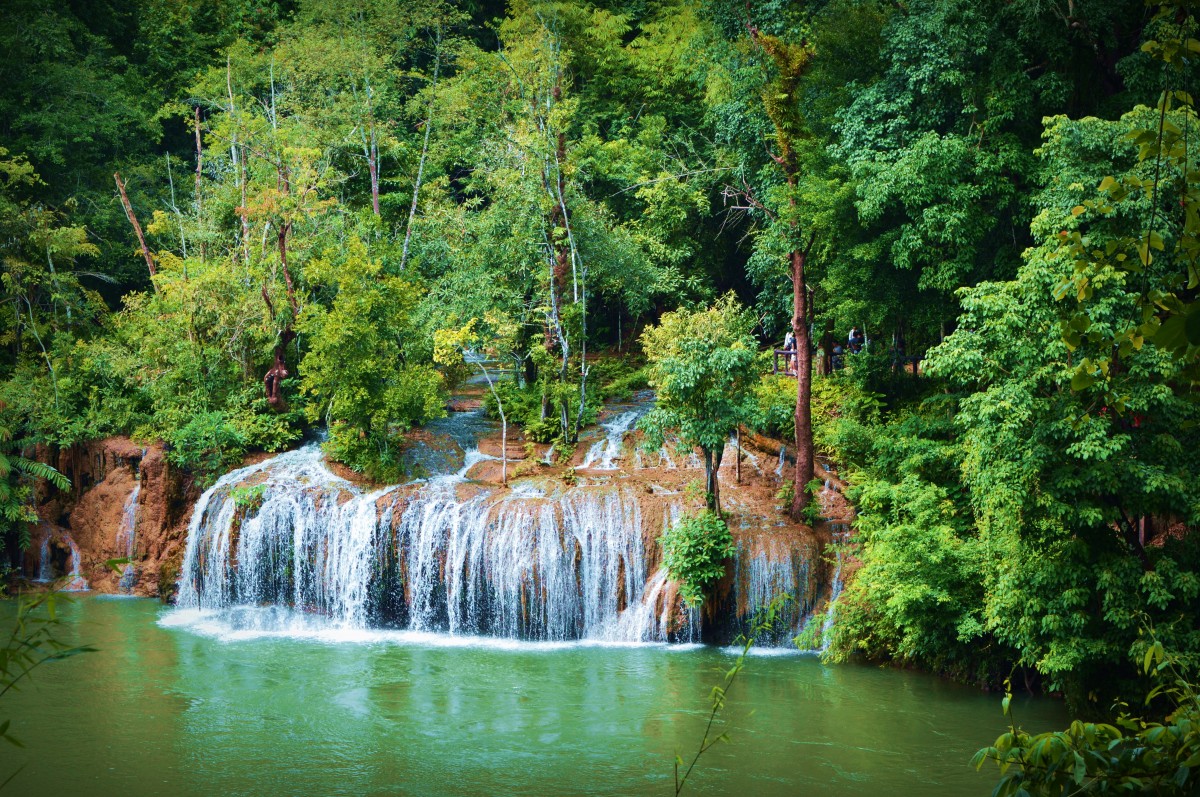
The quest for Europe’s hidden cities is a rewarding pursuit that elevates the travel experience far beyond the superficial aesthetic of crowded, well-worn tourist brochures.
True discovery begins when the traveler intentionally redirects their focus away from the most famous capitals and toward the continent’s numerous, vibrant second and third cities.
These smaller, less-saturated destinations consistently offer a crucial dual benefit: a significantly more authentic, profound cultural immersion paired with considerably lower daily travel expenses.
Effective strategy requires the traveler to embrace flexibility, leveraging the route maps of low-cost carriers and strategically utilizing the shoulder seasons to secure rare, deep discounts on flights and accommodations.
The architecture and history in these secret cities, such as the cave dwellings of Matera or the Art Deco styles of Kaunas, are often as compelling as any famous site, yet they are enjoyed without the pressure of mass tourism.
By adopting a mindset of informed exploration, the traveler secures not just a cheap trip, but a deeper, more personal connection to Europe’s rich, diverse, and surprisingly varied cultural landscape.
The ultimate reward is the quiet satisfaction of having found an authentic, unforgettable corner of the world that remains genuinely untouched by the relentless demands of the mainstream travel industry.