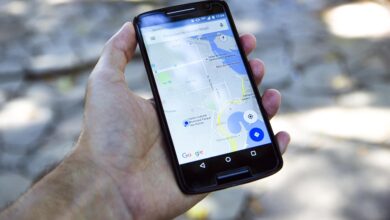


The global travel industry is currently experiencing a monumental shift as artificial intelligence moves from the background into the driver’s seat of trip planning. For decades, organizing a vacation involved hours of scrolling through endless review sites, comparing hundreds of flight options, and manually stitching together a cohesive itinerary. This process was often so exhausting that travelers felt they needed a second vacation just to recover from the planning phase.
However, as we move into 2026, the emergence of AI concierges is turning this chaotic ordeal into a seamless, conversational experience. These intelligent systems do more than just aggregate data; they understand human nuances, learning your specific preferences for everything from seat assignments to late-night snack cravings. We are transitioning away from generic search engines and toward personalized digital architects that can build a ten-day European tour in seconds.
This revolution is democratizing the luxury of having a private travel agent, making high-end, curated experiences accessible to everyone with a smartphone. As these AI models become more integrated into our digital lives, the friction of international travel is beginning to dissolve. This article will explore the deep technical mechanics and the exciting future of how AI concierges are redefining the way we see the world.
The End of the Generic Search Engine
Traditional travel websites are essentially massive databases that require the user to do all the heavy lifting. You enter a date, a destination, and then you are forced to filter through thousands of results yourself.
AI concierges flip this model on its head by acting as a filter before the results even reach your screen. Instead of searching for “hotels in Tokyo,” you can tell your AI, “Find me a quiet boutique hotel in Tokyo near a subway station that serves high-quality green tea.”
A. AI systems utilize Large Language Models (LLMs) to interpret complex natural language requests from users.
B. They cross-reference thousands of live data points including weather, local events, and current pricing trends.







C. Sentiment analysis allows the AI to read through thousands of human reviews to find the “vibe” you are looking for.
D. Unlike a search engine, an AI concierge remembers your previous trips to refine its future recommendations.
E. The result is a highly curated list of options that feels like it was written by a local expert.
Hyper-Personalized Itinerary Construction
One of the most impressive feats of modern travel tech is the ability to create a minute-by-minute itinerary that actually makes sense. In the past, trying to balance museum hours with restaurant reservations was a logistical nightmare.
AI concierges now use geospatial mapping and real-time transit data to ensure your schedule is physically possible. If a flight is delayed, the AI can automatically reschedule your dinner and notify the restaurant on your behalf.
A. Algorithms calculate the most efficient travel routes between landmarks to minimize time spent in traffic.
B. AI can suggest “hidden gems” based on your niche interests, such as 1970s architecture or vegan street food.
C. The system balances “high-energy” activities with “recovery time” based on your personal travel style.
D. Real-time adjustments are made to your plan if the weather suddenly changes or a venue closes unexpectedly.
E. Group travel becomes easier as the AI can synthesize the preferences of multiple people into one master plan.
The Rise of the Voice-Activated Travel Assistant
We are moving toward a “hands-free” travel experience where your voice is the only interface you need. Imagine walking through a foreign city and asking your earbuds for the history of the building you are standing in front of.
Voice-activated AI concierges provide real-time translation and navigation without you ever having to look at a map. This allows travelers to keep their eyes on the scenery rather than on a blue dot on a screen.
A. Real-time voice translation allows for seamless communication with locals in over 100 different languages.
B. Audio-guided tours are generated on the fly, providing context and history for whatever you are currently seeing.
C. You can book a taxi or change your hotel room by simply speaking to your digital assistant.
D. Noise-canceling technology ensures the AI can understand your commands even in crowded airports or busy markets.
E. Wearable devices like smart glasses are starting to project AI-generated directions directly onto your field of vision.
Solving the Logistics of Transportation
Transportation is often the most stressful part of any trip, involving multiple tickets, gates, and confusing terminal maps. AI concierges are taking over the role of a logistics coordinator to ensure smooth transitions.
From predictive pricing on flights to finding the exact platform for a high-speed train, the AI handles the details. It can even predict which flights are likely to be delayed before the airline officially announces it.
A. Predictive analytics monitor historical flight data to suggest the best time to book for the lowest price.
B. AI “Wayfinding” provides step-by-step indoor navigation for complex international airports and train stations.
C. Ride-sharing integration allows the AI to have a car waiting for you the moment you clear customs.
D. The system manages all digital tickets and boarding passes in one central, offline-accessible location.
E. Future AI concierges will even coordinate with autonomous “air taxis” for rapid city-to-airport transfers.
AI in the Hotel Experience
The smart travel revolution doesn’t stop once you arrive at your destination; it follows you into your hotel room. Many luxury properties are now integrating AI concierges into their in-room tablets and smart speakers.
You can ask the AI for more towels, order a specific room-service meal, or set a “gentle wake-up” routine that adjusts the lights and curtains. This reduces the load on hotel staff while providing instant service to the guest.
A. Smart rooms adjust temperature and lighting based on the preferences saved in your AI travel profile.
B. Voice-activated room service can handle complex dietary requests without the risk of human error over the phone.
C. AI concierges can provide instant recommendations for hotel amenities, such as the best time to visit the gym.
D. Automated check-out via the AI assistant eliminates the need to stand in line at the front desk.
E. Hotels are using AI to manage energy consumption, turning off systems in empty rooms to support sustainability.
The Role of Predictive Maintenance in Travel
Beyond helping the individual traveler, AI is working behind the scenes to keep the entire travel infrastructure running smoothly. Airlines and train operators use AI for “predictive maintenance.”
This means they can identify a mechanical issue before it causes a delay. For the traveler, this translates to fewer cancellations and a much more reliable schedule.
A. Sensors on aircraft engines feed data to AI models that predict when a part needs to be replaced.
B. Rail networks use AI to monitor track conditions and prevent accidents caused by wear and tear.
C. Cruise ships utilize AI to optimize fuel consumption and navigate around rough sea conditions.
D. Airport baggage systems use AI to sort luggage with 99.9% accuracy, reducing the risk of lost bags.
E. The overall result is a more resilient global travel network that can handle millions of passengers efficiently.
Visual Planning: Try Before You Buy
Virtual Reality (VR) and Augmented Reality (AR) are becoming essential tools for the modern AI concierge. You can now take a “virtual walk” through a hotel room before you book it.
This “try before you buy” model ensures that your expectations match reality. It is particularly helpful for travelers with accessibility needs who want to verify the layout of a space.
A. 360-degree VR previews allow you to experience the view from a balcony or the size of a cruise ship cabin.
B. AR overlays on your phone can show you what a historical ruin looked like in its prime as you stand before it.
C. Virtual “pre-trips” can help nervous travelers familiarize themselves with a new city before they arrive.
D. AI can generate “dream itineraries” in VR, letting you see a montage of your potential trip to help you decide.
E. Travel agencies are using VR headsets to provide immersive consultations that go beyond brochures.
Sustainability and the Eco-Conscious AI
As environmental concerns grow, AI is helping travelers reduce their carbon footprint. Smart concierges can now calculate the exact carbon cost of every flight and hotel choice.
They can suggest “greener” alternatives, such as taking a high-speed train instead of a short-haul flight. This helps travelers align their adventures with their personal values.
A. AI filters can prioritize “eco-certified” hotels that use renewable energy and plastic-free policies.
B. Carbon-offsetting is integrated directly into the booking flow, allowing for one-click mitigation.
C. AI suggests “off-the-beaten-path” destinations to help combat over-tourism in crowded cities.
D. It can provide advice on how to use local public transit instead of relying on carbon-heavy taxis.
E. The system can even suggest packing lists that help you minimize waste and avoid buying single-use items.
The Security and Privacy of Travel Data

To provide a high level of service, AI concierges require access to a lot of personal data. This includes your passport details, credit card info, and even your health preferences.
Security is the top priority for travel tech companies in 2026. They are using advanced encryption and “sovereign identity” models to ensure that you are the only one in control of your data.
A. Biometric authentication (fingerprint or face) is used to access your travel profile and authorize payments.
B. Blockchain technology can create a secure, immutable record of your travel documents and insurance.
C. AI systems are designed with “Privacy by Design,” meaning they only store the data that is absolutely necessary.
D. Encrypted “Digital Vaults” allow you to share your passport info with an airline temporarily without saving it on their servers.
E. Constant AI monitoring of your accounts can detect and block fraudulent activity while you are abroad.
The Impact on the Traditional Travel Agent
Does the rise of AI mean the end of human travel agents? Not necessarily, but the role is certainly changing. High-end human agents are now using AI as a “force multiplier.”
The AI handles the boring logistics, while the human agent focuses on the creative and emotional aspects of the trip. This hybrid model provides the efficiency of a machine with the empathy of a human.
A. Human agents use AI tools to generate 50 different itinerary options in the time it used to take to make one.
B. AI handles the 24/7 “customer support” questions, while humans handle complex crisis management.
C. The relationship between agent and client becomes deeper as they have more time for meaningful conversation.
D. Human agents provide the “quality control” for the AI, ensuring the recommendations are actually high-quality.
E. The cost of professional travel planning is dropping, allowing more people to access expert advice.
Enhancing the “Solo Travel” Experience
Solo travel can be intimidating, but AI concierges are making it safer and more social. An AI can act as a “guardian” that stays in touch with your family while you explore.
It can also help solo travelers find “safe” social events where they can meet other like-minded people. This reduces the isolation that can sometimes come with traveling alone.
A. “Safety Check-ins” can be scheduled where the AI alerts emergency contacts if you don’t respond by a certain time.
B. AI can find communal dining events or “solo-friendly” hostels based on your social preferences.
C. It provides real-time “Safety Scores” for different neighborhoods to help solo travelers navigate with confidence.
D. For female solo travelers, AI can highlight venues and routes that have high ratings for safety and respect.
E. The AI acts as a constant companion that can answer questions or provide a sense of security in unfamiliar places.
Managing the Unexpected: Crisis Management
No trip is perfect, and sometimes things go wrong. Whether it’s a natural disaster, a political protest, or a medical emergency, AI is your first line of defense.
Smart concierges can push “Emergency Alerts” to your phone and provide immediate instructions on what to do. They can find the nearest hospital or rearrange your entire flight schedule to get you home safely.
A. Real-time news monitoring allows the AI to predict disruptions before they affect your specific location.
B. In a medical emergency, the AI can provide a “Medical Passport” with your blood type and allergies for local doctors.
C. Instant “rerouting” logic can find the last available seat on a train out of a city experiencing a strike.
D. Digital assistants can provide “legal advice” or connect you with your local embassy in an instant.
E. The AI acts as a calm, logical voice during stressful situations, providing clear steps to follow.
The Future: Autonomous “Living” Itineraries
As we look toward the 2030s, the “itinerary” will become a living document. It won’t just be a list of things to do; it will be an active participant in your journey.
Your itinerary will “learn” from your mood. If you are tired, it will suggest a spa; if you are energized, it will suggest a mountain hike. The trip will literally evolve as you live it.
A. Emotion-sensing AI will use your wearable data to adjust your plan based on your stress levels.
B. “Fluid Bookings” will allow you to change your mind at the last second without financial penalties.
C. The AI will curate your “Digital Memory” by automatically organizing your photos and videos into a movie.
D. Collaborative AI will allow multiple families traveling together to sync their moods and plans instantly.
E. The travel experience will become a “Dialogue” between the traveler and the world, facilitated by the AI concierge.
Conclusion

The arrival of AI concierges is a defining moment for the future of global exploration.
We are no longer limited by our own ability to research and organize complex information.
Smart travel tech allows us to focus on the joy of discovery rather than the stress of logistics.
Every traveler can now enjoy a level of personalization that was once reserved for the ultra-wealthy.
The fusion of AI with human expertise is creating a safer and more efficient travel network.
Our smartphones have become powerful portals that can translate the world and its many cultures.
Privacy and security remain the vital foundation upon which this entire digital structure is built.
Sustainable travel is finally becoming easier to achieve thanks to intelligent, carbon-aware systems.
The journey itself is being transformed from a series of hurdles into a seamless flow of experiences.
As we step into 2026, the digital concierge is your most valuable companion for every adventure.
The world is getting smaller and more accessible, one intelligent recommendation at a time.