

Introduction: The Thrill and Risk of Street Food Exploration
For the truly adventurous traveler, the pulse of a new destination is often best felt not in high-end restaurants, but on the bustling, sensory-rich pavement where street food vendors ply their trade. This vibrant culinary ecosystem is where authentic local flavors, time-honored recipes, and genuine cultural interactions converge, offering an unparalleled glimpse into a society’s daily life and history. However, this exhilarating pursuit of authentic tastes—from spicy tacos in Mexico City to fragrant noodles in Hanoi—comes with an inherent, often anxiety-inducing risk related to food hygiene and safety. The allure of delicious, low-cost meals can sometimes be overshadowed by a fear of “traveler’s stomach,” making many hesitant to dive into this crucial part of global eating.
Successfully eating like a local and embracing street food requires more than just an adventurous palate; it demands a strategic, informed approach to vendor selection, hygiene assessment, and digestive preparation. The key is recognizing that not all street food is created equal, and by learning to read the subtle signals that indicate cleanliness, freshness, and operational quality, the traveler can drastically minimize their risk of illness. Mastering Street Food Safety is not about avoiding vendors entirely, but about applying a set of practical, observational “hacks” that transform the consumer from a passive participant into an active, risk-aware detective.
This skill allows the traveler to unlock the truly hidden culinary gems that lie off the main tourist path, making every meal a discovery rather than a potential health hazard. This extensive guide will dissect the essential strategies required for A Guide to Street Food Safety and Authentic Culinary Discoveries. We will meticulously cover everything from recognizing the tell-tale signs of a high-quality vendor and understanding the importance of heat in cooking to preemptive digestive care and the specific types of foods that carry the lowest risk, empowering you to indulge safely and confidently in the world’s most accessible cuisine.
1. Preemptive Digestive Preparation and Mindset
The first line of defense against foodborne illness starts not at the food stall, but within the traveler’s own body and preparation routine. A proactive digestive approach minimizes vulnerability.
Preparing your system is as important as inspecting the vendor’s stall.
A. The Probiotic Priming Strategy
Begin The Probiotic Priming Strategy two weeks before departure. Consuming high-quality, broad-spectrum probiotic supplements helps bolster the healthy bacteria in your gut.
A robust gut microbiome is better equipped to handle new, unfamiliar bacteria encountered in foreign food environments.







B. Electrolytes and Hydration
Prioritize Electrolytes and Hydration throughout the journey. Dehydration can exacerbate the symptoms of minor stomach issues and make the body generally more susceptible to illness.
Carrying oral rehydration salts (ORS) is a smart, small investment for rapid recovery if illness strikes.
C. Hand Hygiene Discipline
Maintain rigorous Hand Hygiene Discipline. Always wash your hands or use a strong alcohol-based hand sanitizer immediately before eating any street food, regardless of how clean the vendor seems.
Many foodborne illnesses are transmitted through self-contamination via unwashed hands.
D. The Gradual Introduction
Practice The Gradual Introduction to local cuisine, particularly spice and rich ingredients. Do not shock your system on the first day with the most complex and unfamiliar street food items.
Start with simple, cooked foods and slowly expand your palate over several days.
E. Carrying Essential Medication
Ensure Carrying Essential Medication for travelers’ diarrhea. Over-the-counter anti-diarrheal medication should be a staple in your travel first-aid kit, providing peace of mind and immediate relief if needed.
Using these medications sparingly, only for necessary travel days, is the wisest approach.
2. The Vendor Selection Toolkit: Reading the Signs
The most effective safety measure is learning how to identify a reputable, busy, and hygienic street food vendor, separating the high-quality operations from the potential health risks.
The visual cues provided by the vendor and their surroundings tell a complete story.
F. The Local Popularity Test
Apply The Local Popularity Test. The vendor with the longest queue of local residents is nearly always the safest and most delicious choice.
High turnover means ingredients are constantly fresh, minimizing the chance of spoilage.
G. Observation of Temperature Control
Meticulously practice Observation of Temperature Control. Food must be visibly piping hot, actively sizzling on a grill, or kept at a boiling temperature; lukewarm food is a breeding ground for bacteria.
For cold foods, they should be stored properly on ice or in a visible, refrigerated unit.
H. The Dedicated Money Handler
Look for the presence of The Dedicated Money Handler. The person cooking the food should ideally not be the same person handling cash, as money is a primary source of germ transfer.
If the cook must handle cash, observe that they wear gloves or wash their hands immediately before returning to food preparation.
I. Cleanliness of Surfaces
Inspect the Cleanliness of Surfaces and the operational area. While street stalls are inherently gritty, the immediate preparation surfaces, cutting boards, and utensils should appear regularly wiped down and reasonably tidy.
Avoid stalls where raw meat is stored directly next to cooked items or where flies are heavily present.
J. Discarding Used Utensils
Observe the protocol for Discarding Used Utensils. Ensure that dirty plates, bowls, and cutlery are collected and washed in soapy water that is regularly refreshed, or better yet, disposable utensils are used.
Stalls that simply rinse items in a bucket of stagnant, dirty water should be avoided entirely.
3. Food Type Risk Assessment
Not all ingredients and preparation methods carry the same level of risk. Understanding which foods are inherently safer and which demand caution allows for smart decision-making.
Heat and sealed packaging are your best friends in the world of street food.
K. Prioritizing High-Heat Cooking
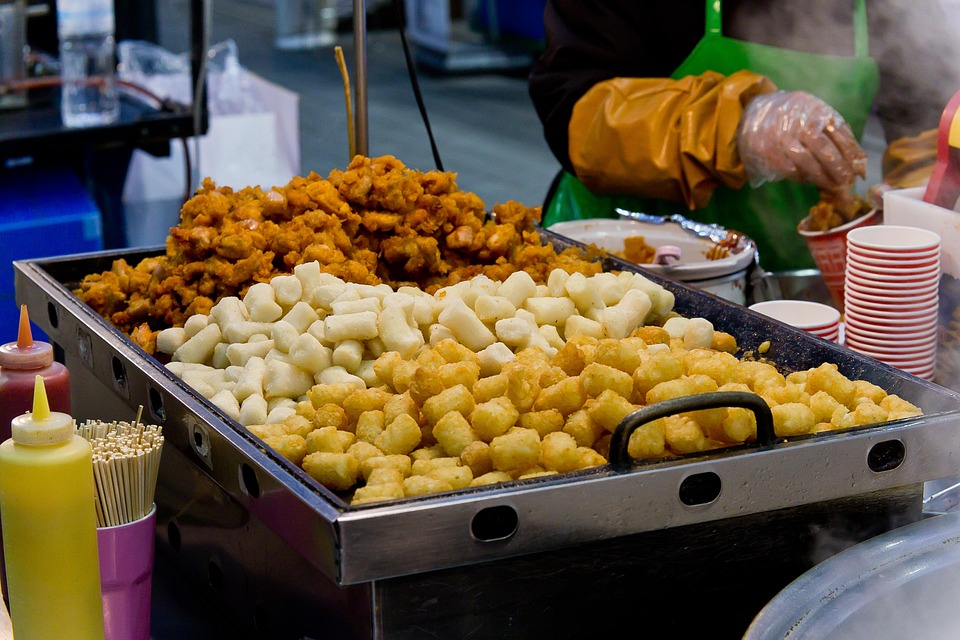
Your safest option is Prioritizing High-Heat Cooking. Foods that are cooked fresh and served immediately—such as stir-fries, deep-fried items, or actively boiling soups—are significantly safer.
The heat of the cooking process kills almost all harmful bacteria and pathogens.
L. The Cautionary Tale of Buffets
Exercise extreme caution with The Cautionary Tale of Buffets and pre-cooked food displays, particularly those stored outdoors. Items that have been sitting out for hours are highly susceptible to bacteria growth.
Ask the vendor if the food can be reheated or made fresh if you are unsure of how long it has been sitting.
M. Avoiding Unpeeled Raw Fruits and Vegetables
Be highly selective about Avoiding Unpeeled Raw Fruits and Vegetables. Unless you can peel it yourself (like a banana or orange), avoid consuming raw salads, chopped fruits, or garnishes that may have been washed in unsafe water.
Cooked vegetables are generally a much safer choice than raw ones.
N. The Ice and Water Rule
Strictly adhere to The Ice and Water Rule. Never consume drinks with ice unless you are absolutely certain the ice was made from purified or bottled water, or that the stall uses sealed, commercially produced ice bags.
Similarly, only drink beverages that come in sealed, commercially bottled or canned containers.
O. Dairy and Custard Products
Be wary of Dairy and Custard Products left unrefrigerated. Unpasteurized dairy, soft cheeses, and creamy desserts or custards can spoil rapidly in warm climates, posing a high risk.
Opt for baked goods or non-dairy desserts from vendors that appear clean and busy.
4. Navigating the Cultural and Social Exchange
Street food is a social experience, and navigating the exchange respectfully and confidently enhances the enjoyment and can sometimes even lead to better service.
A positive interaction with the vendor is part of the overall authentic experience.
P. Learning Essential Local Phrases
Learn and use Learning Essential Local Phrases like “Hello,” “Thank you,” and “How much?” in the local language. This shows respect and facilitates a smoother transaction.
Making a genuine effort to connect with the vendor is always appreciated.
Q. The Polite Negotiation Strategy
In markets where bargaining is expected, employ The Polite Negotiation Strategy. Ask for the price clearly before ordering, and if negotiating, do so with a smile and a light, respectful demeanor.
Never negotiate excessively over minor amounts, especially when the item is already cheap.
R. Observing Local Eating Practices
Watch and Observing Local Eating Practices. Pay attention to how locals eat the food—do they use chopsticks, their hands, or specific sauces? Mimicking local etiquette enhances the experience.
This shows cultural awareness and respect for the local culinary tradition.
S. Having Small Denomination Cash
Always ensure Having Small Denomination Cash ready. Street vendors rarely carry much change, and paying with a large bill for a small purchase is inconvenient and potentially rude.
Preparing the exact amount for your order is a polite gesture.
5. Maximizing the Discovery and Authenticity
Beyond safety, the goal of street food is discovery. Strategic exploration can lead to hidden gems and unique culinary experiences that are inaccessible to the average tourist.
The most authentic finds are often tucked away just off the main path.
T. Exploring Beyond the Tourist Hubs
Force yourself to Exploring Beyond the Tourist Hubs. Street food vendors immediately adjacent to major tourist attractions are often overpriced and may cater to less authentic, generalized tastes.
Venture a few blocks into a local residential or business area for better quality and pricing.
U. Specializing in One Vendor’s Dish
Instead of sampling widely at one stop, try Specializing in One Vendor’s Dish. Vendors who only sell one or two items (e.g., only sticky rice or only one type of dumpling) have usually perfected that single dish.
Specialization often signifies generations of expertise focused on one culinary craft.
V. Asking Locals for Recommendations
Use your social network and Asking Locals for Recommendations. Ask your hostel or guesthouse staff, or a friendly shopkeeper, where they go for their favorite, low-key street meal.
These insider tips lead directly to the highest quality, most authentic vendors.
W. Utilizing Food Tours
Consider starting your trip by Utilizing Food Tours. A dedicated, small-group street food tour led by a local expert provides a safe introduction to authentic tastes and teaches you the local hygiene standards.
It is a worthwhile investment to gain confidence and a safe foundation for future solo explorations.
X. The Social Media Scout
Use The Social Media Scout strategy. Search Instagram or local food blogs for non-English reviews of specific street stalls to find truly local, high-rated spots that haven’t yet been saturated by foreign tourism.
Local bloggers often highlight the best hidden culinary secrets.
Conclusion: Confident Culinary Exploration
Successfully engaging in street food exploration is the ultimate key to authentic travel, a skill achieved by proactively blending adventurous spirit with meticulous street food safety protocols. This confidence is built on the foundation of probiotic priming and unwavering hand hygiene discipline, preparing the body to embrace new culinary environments.
The most crucial safety measure involves the vendor selection toolkit, diligently applying the local popularity test and closely observing visible temperature control to ensure freshness. By consciously prioritizing high-heat cooking over risky, unrefrigerated items and adhering strictly to the ice and water rule, the traveler minimizes all foodborne illness risks.